About the Country
Geography & Climate
- Vast Territory: Russia is the largest country in the world, spanning over 17 million square kilometers and covering 11 time zones across Eastern Europe and Northern Asia.
- Diverse Landscapes: From the arctic tundra and taiga forests in the north to the steppes in the south, Russia’s terrain is incredibly varied. The Ural Mountains serve as the traditional boundary between its European and Asian regions.
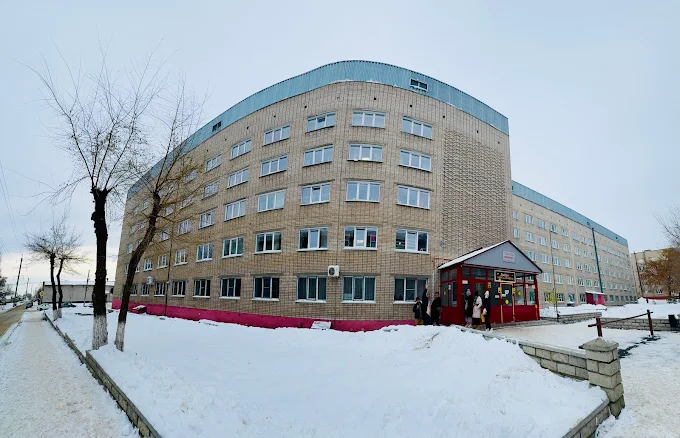
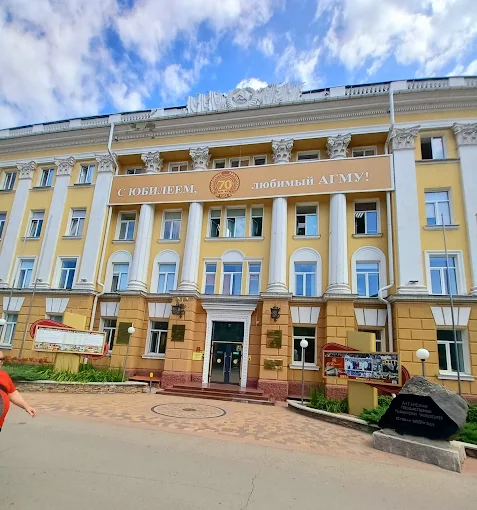
- Continental Climate: While Russia is famous for its cold winters, the climate differs widely by region. In Barnaul, home to Altai State Medical University, winters are snowy and cold, but summers can be pleasantly warm—typical of inland continental climates.
Culture & Society
- Historical Depth: Russia’s rich history—from the Kievan Rus’ and Imperial era to the Soviet Union and modern Russian Federation—is deeply woven into its art, architecture, and societal values.
- Language: Russian is the official language and uses the Cyrillic alphabet. While many universities offer English-medium programs, learning basic Russian phrases can greatly enhance daily interactions and cultural immersion.
- Arts & Literature: Russia is renowned for its contributions to global culture, with legendary figures like Tolstoy, Dostoevsky, and Tchaikovsky shaping its literary and musical legacy.
- Social Values: Russians take pride in their national identity and are known for their warm hospitality once relationships are formed. Family bonds and close friendships are deeply cherished.
Economy & Governance
- Economic Overview: Russia operates a high-income, mixed economy, heavily reliant on its abundant natural resources, especially oil and gas.
- Political System: The country is a federal semi-presidential republic. The political landscape has been shaped by long-term leadership, and international students are encouraged to stay informed about current affairs and global relations.
For more more details click here to visit official website